Our experiments are guided by research and a rigorous, transparent approach. Every step is documented, from design and construction to how buildings perform in real life, creating a solid evidence base for learning and scaling.
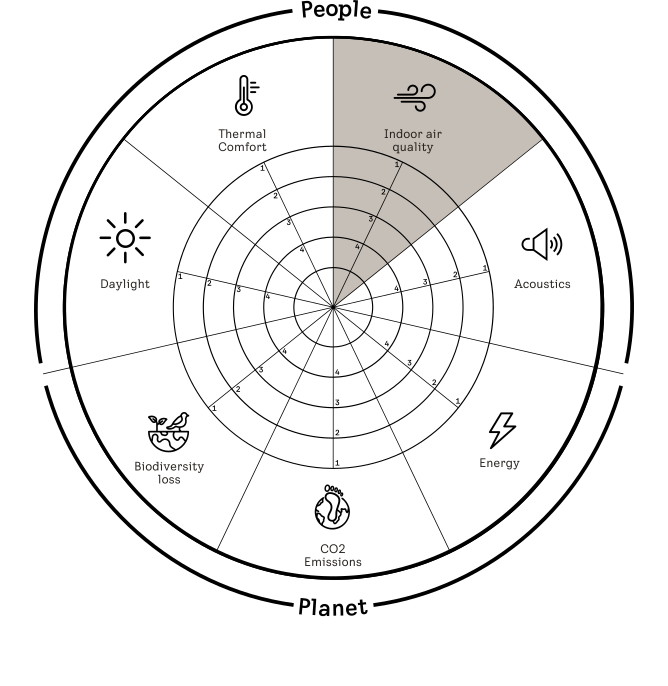
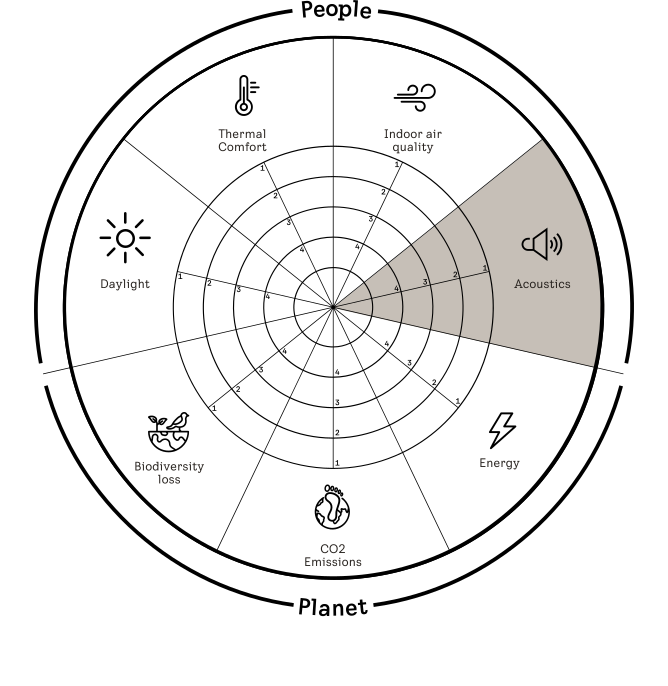
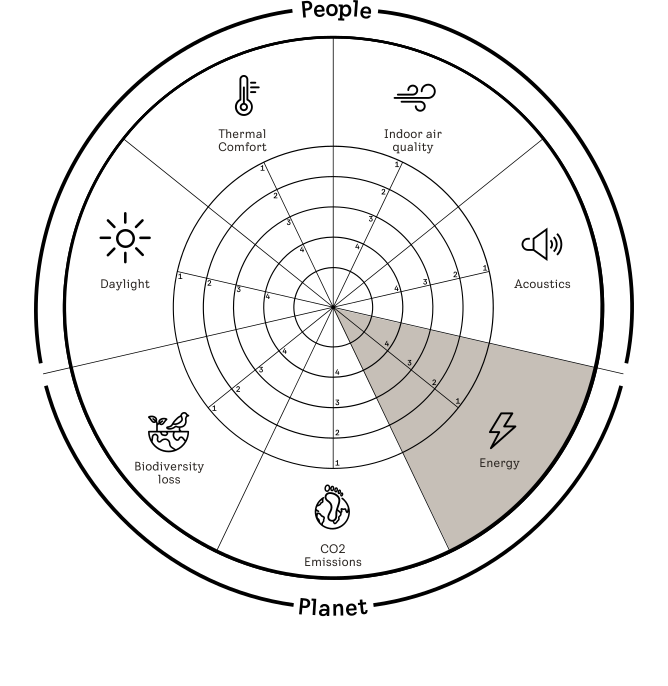
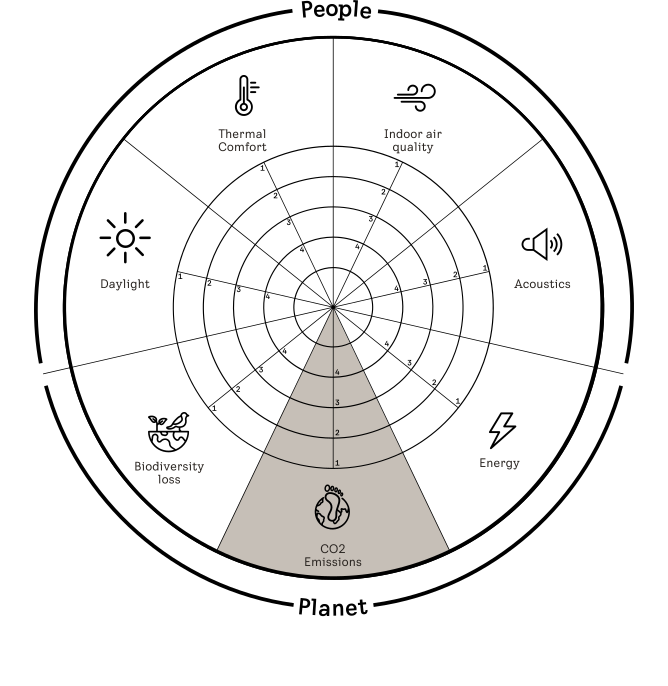
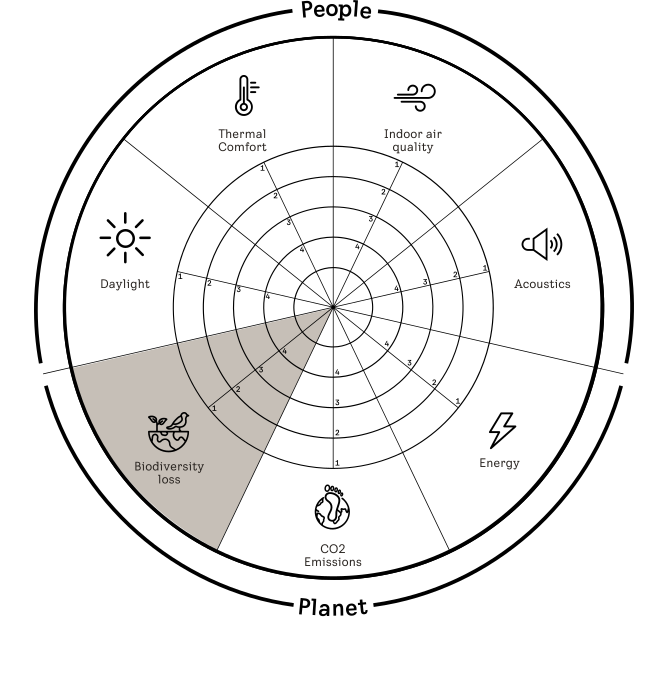
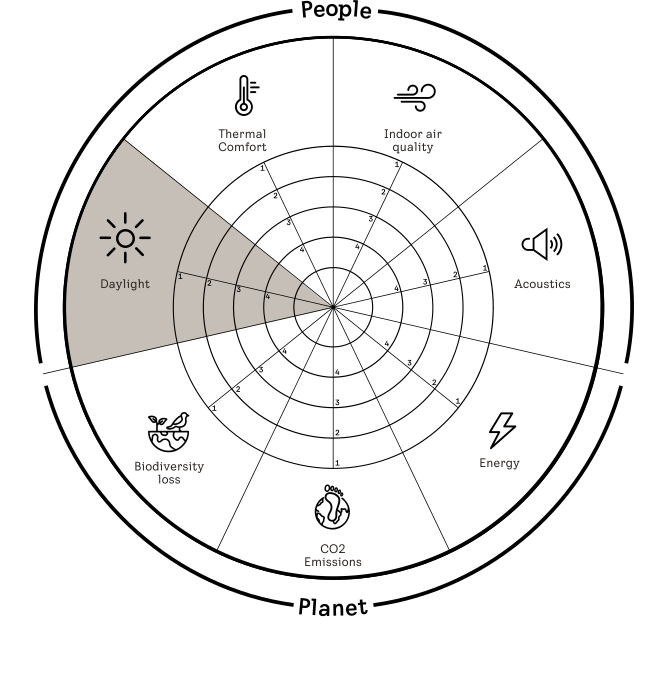
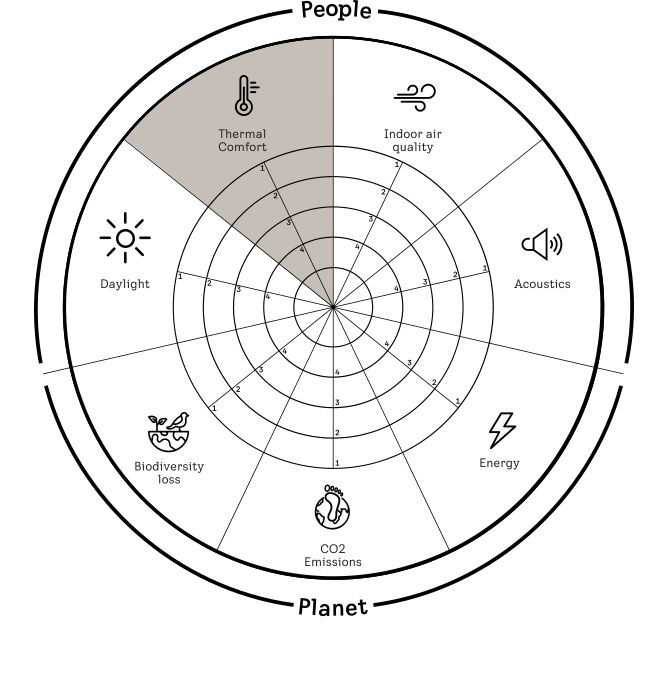
We measure performance using the People & Planet model, our framework for assessing how buildings impact both human well-being and the natural environment. It brings together key dimensions such as indoor climate, energy, CO₂ emissions and biodiversity into one clear, comparable view.
At the core are the Living Places principles, which guide how we design, build and evaluate homes that are healthier, more sustainable and more affordable. These principles come to life in our experiments, including Living Places Copenhagen

The Impact Framework
The Green Paper and Impact Framework explore how Europe’s existing building stock can help address climate, housing and resource challenges. The research shows that up to 107 million additional homes could be unlocked through renovation, conversion and better use of existing buildings. Building on these insights, the Impact Framework identifies where intervention can create the greatest positive impact.

People and Planet model
The People & Planet model brings together key indicators of indoor climate, health and environmental impact in one integrated framework. It provides a clear benchmark to design, test and improve better buildings at scale.

Living Places principles
The Living Places principles define how to design and build homes that balance health, environmental performance, and buildability. They turn insight into action—enabling scalable, affordable solutions for real-world housing.
The People and Planet model
Every building project, whether new or existing, involves a series of important decisions. The People and Planet Model combines earth-system limits and human health boundaries to provide a framework for creating the buildings we need for the planet we want. The health of people and the planet are intrinsically linked. To guide the industry toward a holistic understanding of the built environment, we created the People & Planet Model which brings the two together: Earth System Science to define the limits that keep the planet stable and Building Biology to define the conditions people need to thrive indoors.
Fresh air is essential for healthier spaces, with low-emitting materials and humidity control to reduce pollutants and mold. CO2, and particulate levels are monitored to support focus, sleep and overall wellbeing.
Living Places Principles
At the heart of the concept of Living Places are five core principles designed to redefine our built environment. These principles serve as a framework for creating homes that are not only sustainable and healthy but also scalable, affordable, and commercially viable.
More than just a set of rules, these principles represent a holistic approach to design and construction. Every material, technique, and design element is carefully considered to ensure the well-being of both people and the planet. Living Places is a testament to the fact that sustainable living is not a futuristic ideal, but a tangible reality achievable today.


