Living Places Copenhagen
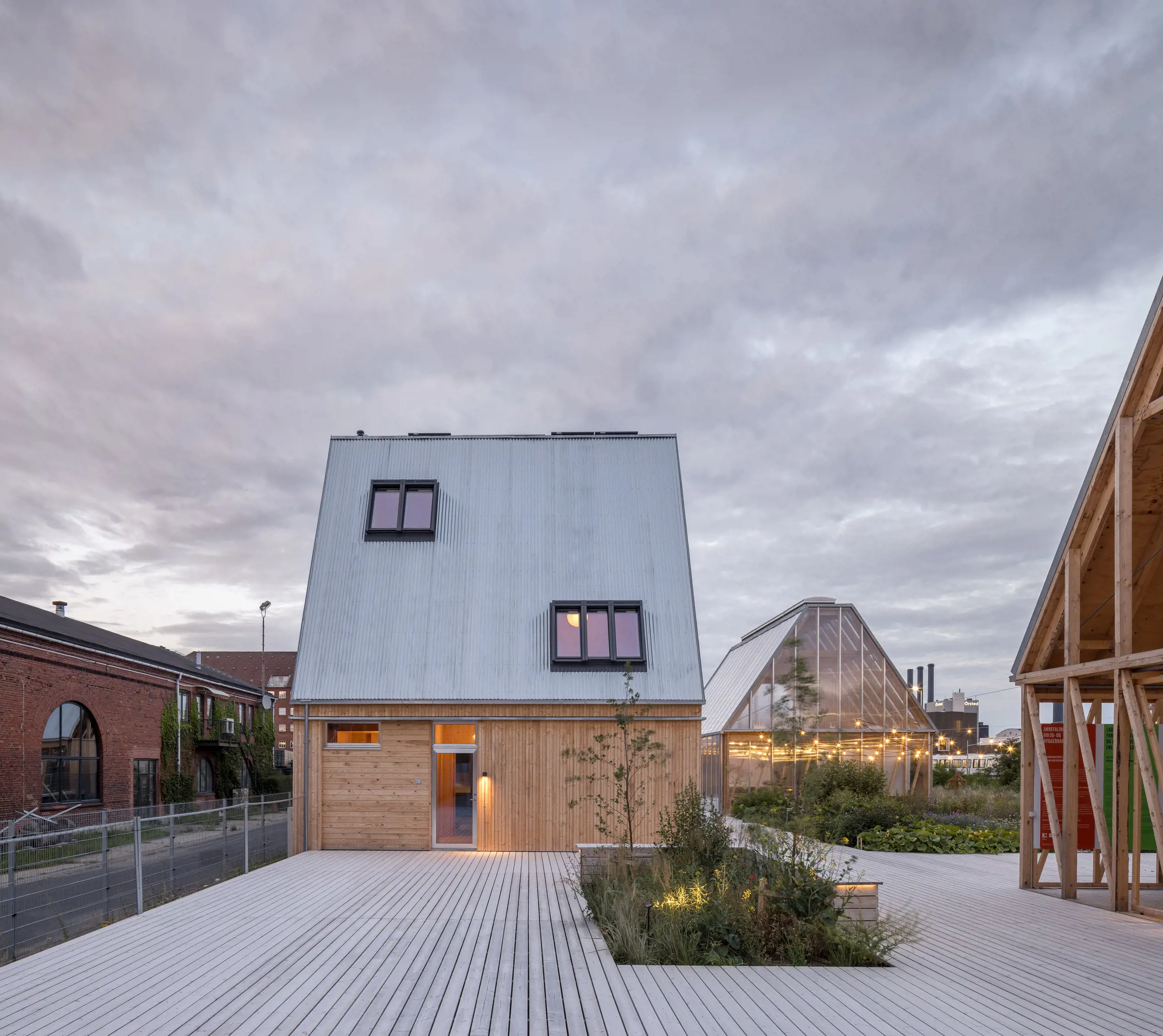
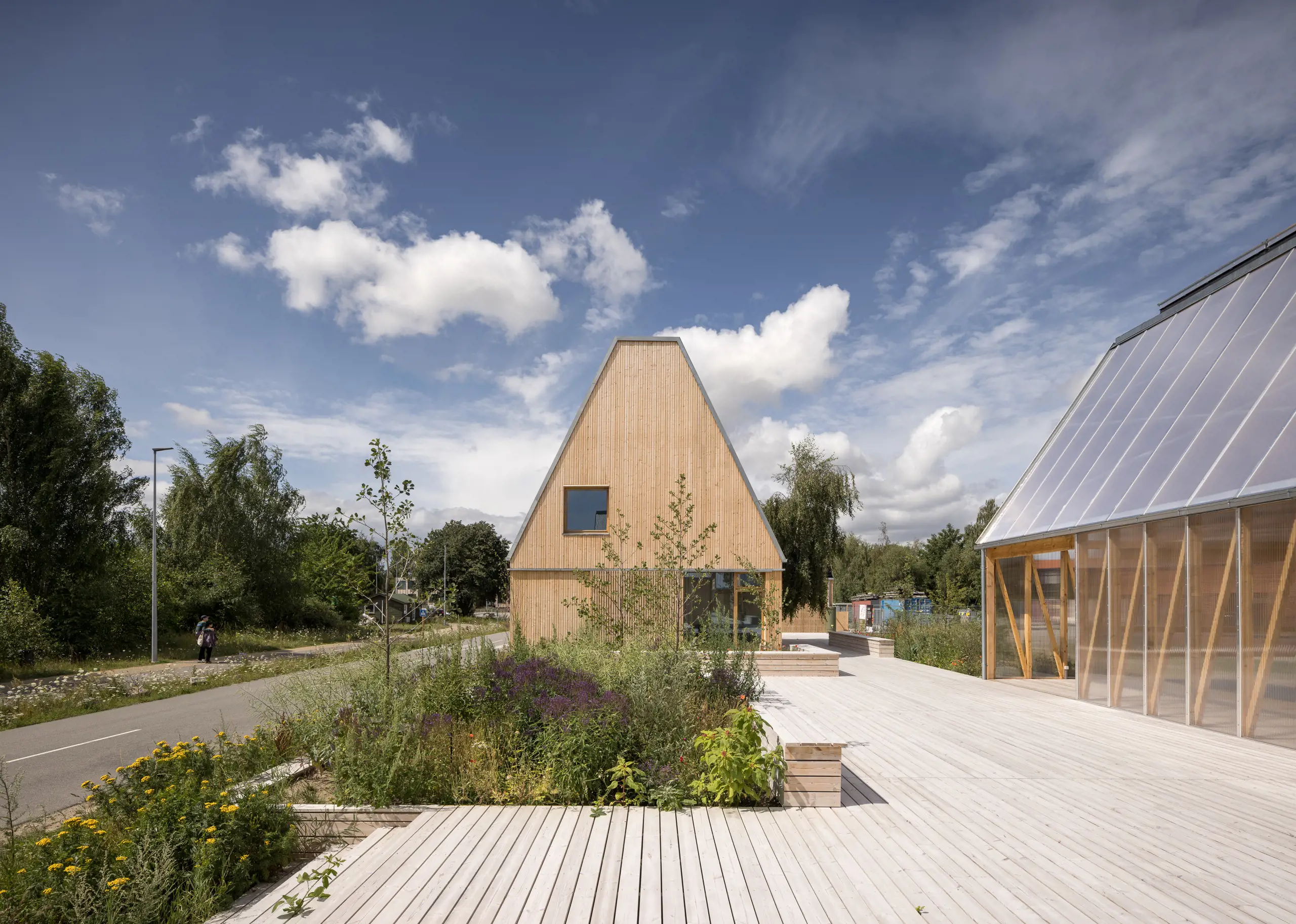
Opened during the World Capital of Architecture in Copenhagen in 2023, the first full-scale Living Places experiment set out to answer a simple question: can healthier homes with a lower environmental impact be built through smarter design decisions, material choices and building methods?
Through seven prototypes, including five open pavilions and two completed homes, the project brought the Living Places principles into practice and demonstrated a different approach to housing. Living Places Copenhagen explored how environmental performance and human wellbeing can be addressed together, creating homes that are healthier for people and better for the planet.
Living Places Copenhagen achieved emissions of just 3.85 kg CO₂e/m²/year, resulting in a carbon footprint 3x lower than the current Danish building standard. At the same time, it achieved the highest indoor climate classification, Class 1, through a strong focus on daylight, fresh air, thermal comfort, acoustics and connection to the outdoors. The project demonstrated that significant reductions in environmental impact can be achieved through smarter design decisions, material choices and building methods, without relying on breakthrough technologies.
During the exhibition period, more than 12,000 professionals visited Living Places Copenhagen through guided visits. Architects, developers, policymakers, researchers and industry leaders from around the world came to explore how healthier, lower-carbon housing can be delivered in practice and to experience the Living Places principles first-hand.
The impact of the project was recognised internationally, including through the MIPIM Award 2024 for Best Residential Project and the New European Bauhaus Prize for Affordable Housing. Together with extensive industry engagement, publications and study visits, these recognitions reflected its influence on discussions about healthier, lower-carbon housing and its contribution to defining new standards for future homes.
Living Places Copenhagen proved that healthier homes with a lower environmental impact can be delivered today. By challenging established assumptions about residential construction, the project helped demonstrate a new standard for healthier, lower-carbon housing and inspired new conversations about the future of home design. The lessons, data and principles developed through the experiment continue to inform the Living Places methodology and inspire projects, collaborations and partnerships working to define future homes.
Photos by Adam Mørk

The Pavilions


Reducing the overall environmental Impact
With an experimental mindset, VELUX, Artelia and EFFEKT Architects have carefully considered each material, design and building technique for Living Places and mapped their projection for emissions against the typical Danish reference house. Throughout the process, evaluations of the total environmental impact of the building through Life Cycle Assessments (LCA) have been conducted.
Starting from the ground up – each building component has also been optimized for the best constellation of price, indoor climate and carbon footprint with a special focus given to the envelope of the building where significant CO2 savings can be achieved.
After calculating the scenarios, the partnership has created the concept Living Places, which can be built as a single-family home, emitting only 3.85 kg CO2 eq/m2/year with third party verification from AAU BUILD - Department of the Built Environment. A result which is over 3 times lower than the new Danish building legislation demands for 2023; a maximum of 12 kg CO2 /m2/per year.

Homes that are Healthier for People
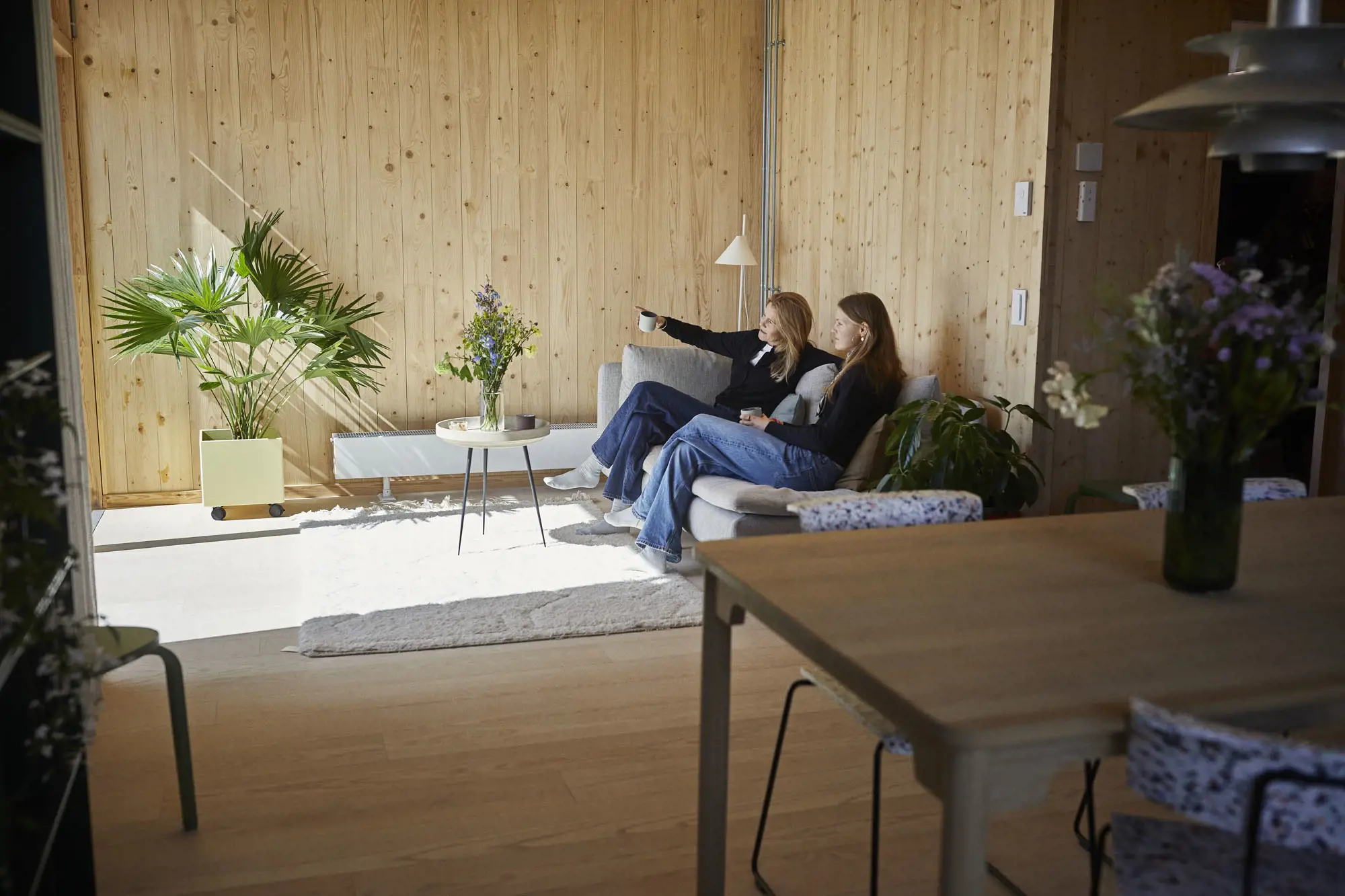
Since we spend 90% of our time indoors, the way we build and live directly affects our physical and mental health. While Living Places focuses on creating a better living environment for our planet it also aims to build a path towards a future-oriented society that enhances living conditions for people.
Our homes are an important part of our overall health picture. At the same time, over generations, we have become more disconnected to nature which affects our health.
With this in mind, VELUX, EFFEKT Architects and Artelia have designed the experiment with a strong focus on the indoor climate through the healthy building principles: Daylight, Thermal environment, Indoor air quality, Acoustics and Outdoor connection. The result is the highest achievable level of indoor climate - Class 1.
Couldn’t join us in Copenhagen?
If you couldn't make it to Copenhagen to see Living Places in person, use our interactive tool to take a virtual tour. Explore every corner of the seven prototypes from afar and get a deeper insight into the details of the project.
With Living Places, we’ve proven that it is possible to build homes with a carbon footprint 3x lower than today’s standard. We hope this inspires others to design homes that are not only affordable, but also scalable and socially responsible.